
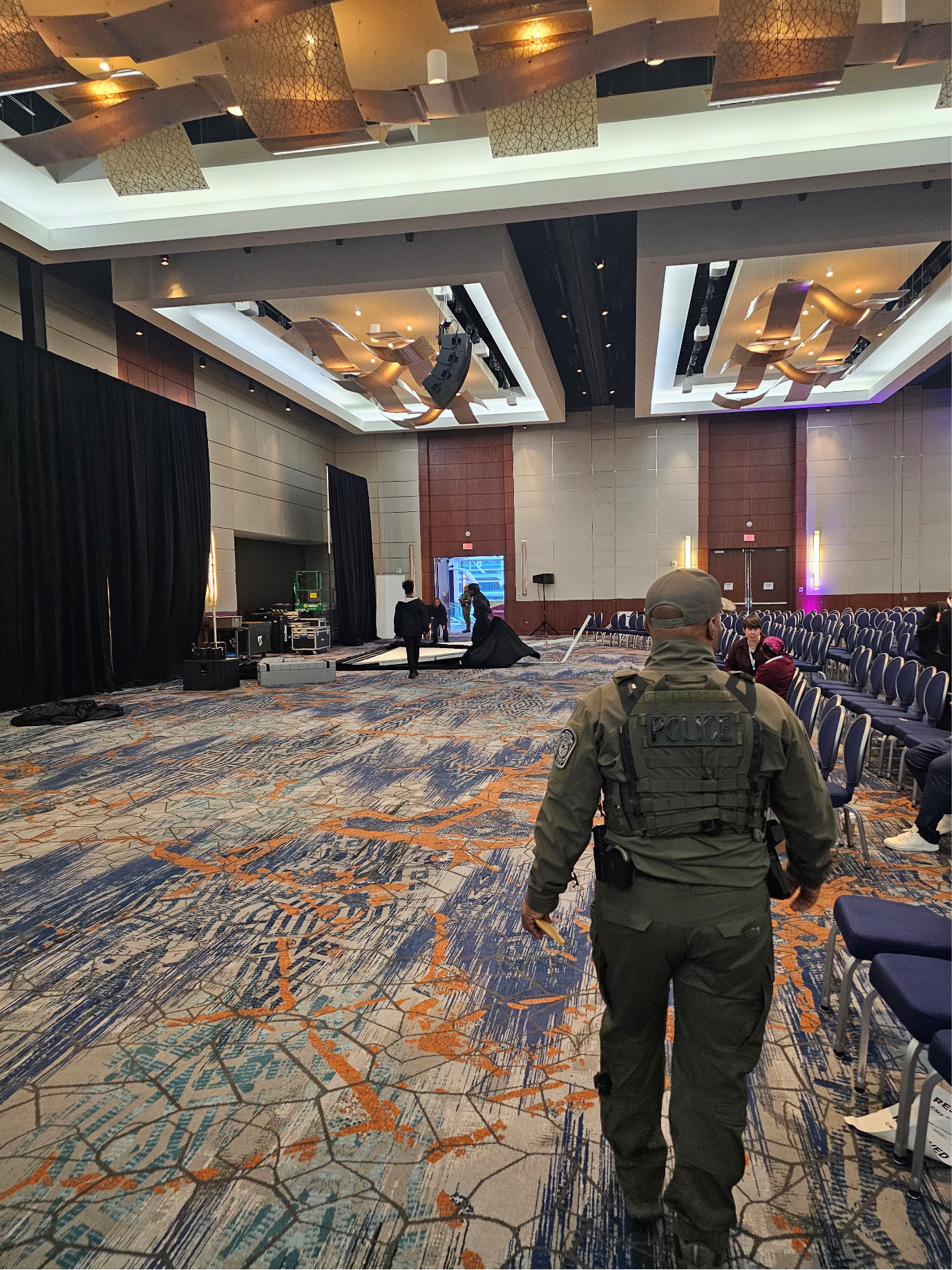
Event venues are complex environments where large groups of people, tight schedules, and high-energy atmospheres converge. Whether it is a concert, corporate gathering, sports event, or festival, the security challenges increase exponentially with crowd size. A smarter approach to event security goes beyond visible deterrence and focuses on understanding crowd behavior, anticipating risks, and deploying layered protective services that include armed security as part of a broader risk mitigation framework.
Understanding Crowd Behavior and Risk Factors
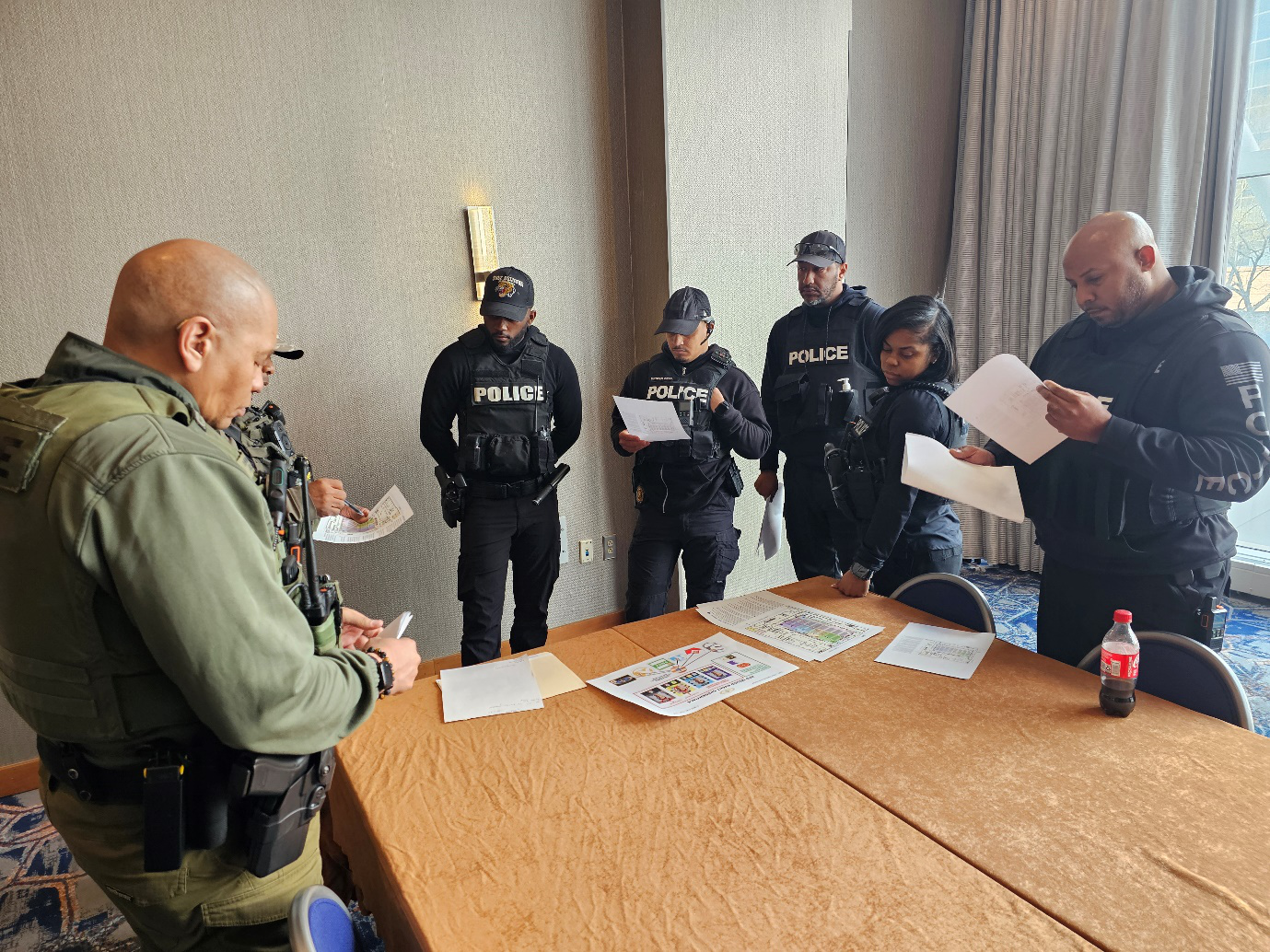
Crowd dynamics are not random. They are influenced by entry flow, venue layout, lighting, sound, and even perceived wait times. When these factors are not managed properly, they can lead to congestion, panic situations, or unauthorized access points being exploited.
High-density environments also increase the risk of theft, altercations, and emergency response delays. Identifying these vulnerabilities in advance allows security teams to design more effective control systems and reduce the likelihood of escalation.
Designing Venues with Security in Mind
Effective security planning begins at the design stage of an event layout. Entry and exit points should be clearly defined and wide enough to handle peak traffic flow. Barriers, queue systems, and signage help guide attendees and reduce bottlenecks.
Zoning the venue into controlled sections allows for better monitoring and faster response times. High-risk areas such as backstage zones, VIP sections, and equipment storage should have restricted access and additional oversight.
The Role of Technology in Crowd Management
Modern event security relies heavily on technology to enhance visibility and control. Surveillance systems, crowd heat mapping, and real-time monitoring tools help security teams track movement patterns and identify irregular behavior before it becomes a threat.
Digital ticketing and access control systems also reduce the risk of unauthorized entry while providing valuable data on attendance flow. When integrated effectively, these technologies create a responsive security ecosystem that adapts to changing crowd conditions.
Importance of Trained Security Personnel
While technology provides critical insights, trained security personnel remain the backbone of event safety. Their ability to observe crowd behavior, de-escalate tensions, and respond to incidents in real time is essential.
Security teams positioned strategically throughout the venue can manage entry points, patrol crowd zones, and coordinate emergency responses. Their presence also acts as a deterrent against disruptive behavior and ensures that protocols are enforced consistently.
Risk Mitigation through Layered Security
A single security measure is never enough in large-scale events. Layered security combines physical barriers, surveillance systems, trained personnel, and emergency response planning into a unified strategy.
This approach ensures that if one layer is compromised, others remain active to contain and control the situation. It also allows for faster identification and response to emerging threats, reducing potential harm and operational disruption.
Strengthening Emergency Preparedness
No event security plan is complete without emergency preparedness. Clear evacuation routes, communication systems, and trained response teams are essential for managing unexpected incidents.
Regular drills and scenario planning help security teams and staff respond efficiently under pressure. This preparedness not only protects attendees but also minimizes reputational and financial risks for organizers.
Employ Smarter Security for Safer Events with Operational Police Protective Services
Choose Operational Police Protective Services for dependable event security guard services in Pasadena, Maryland. From concerts and festivals to weddings, special events, we deliver tailored protection with professionalism and trusted on-site expertise. Call now to find out more.








Leave A Comment
You must be logged in to post a comment.