
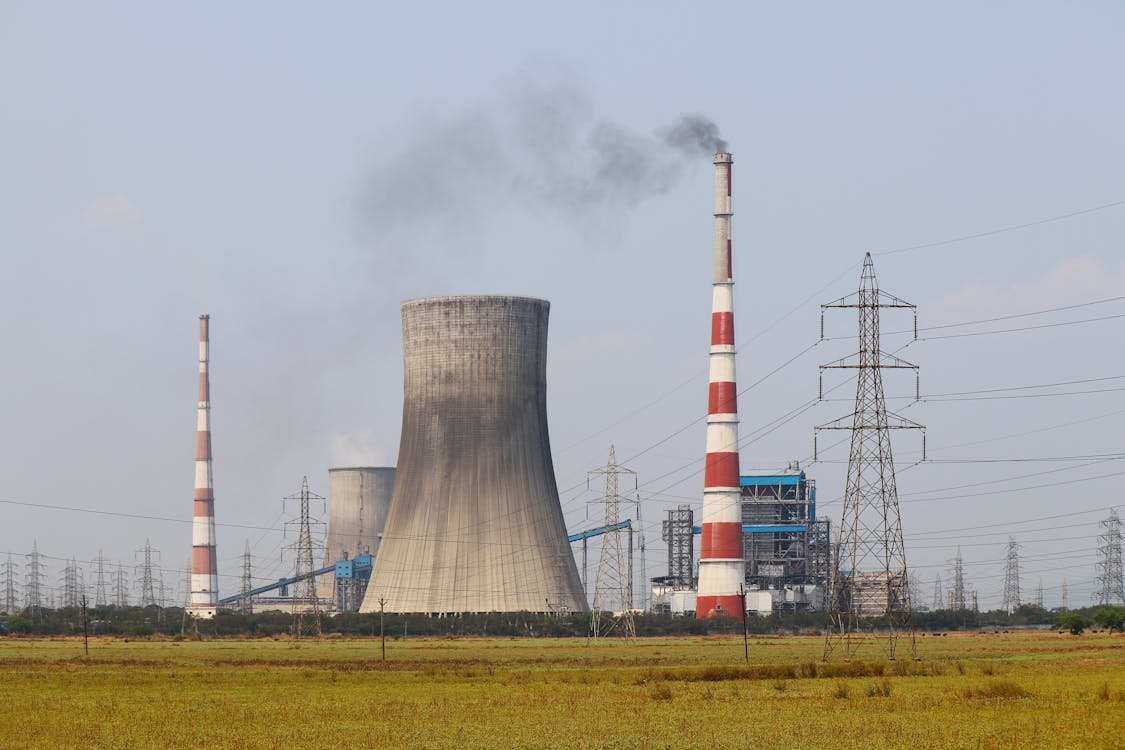
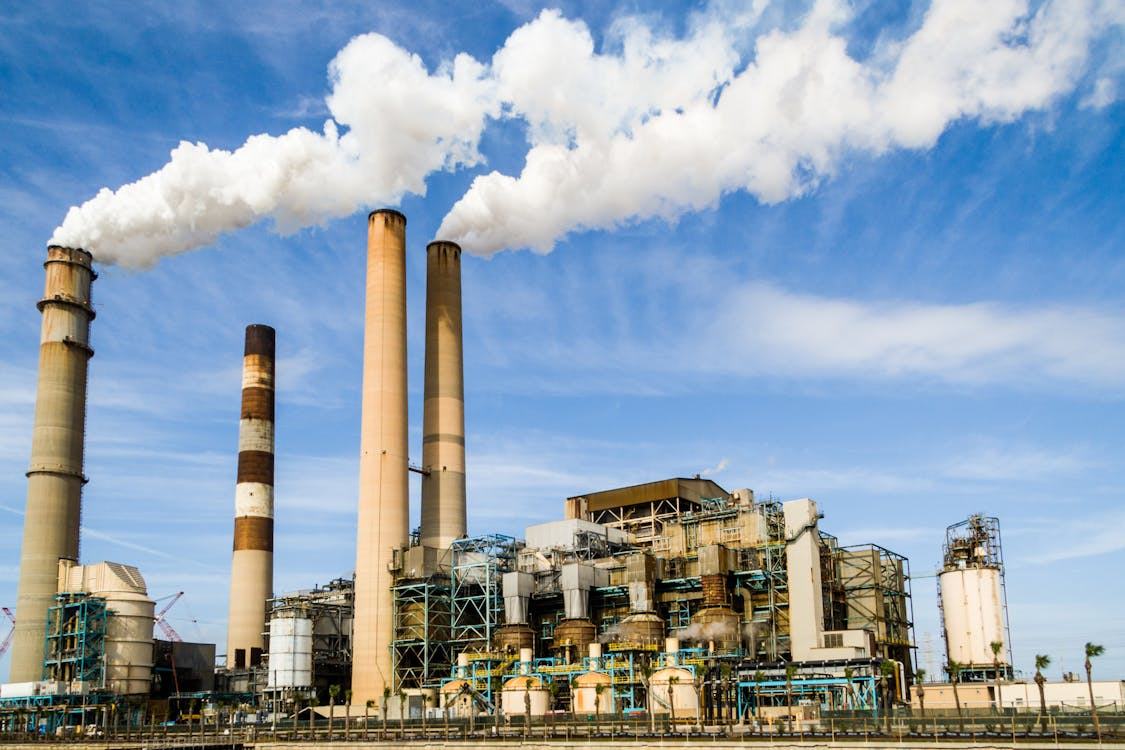
Critical infrastructure, including power plants, water treatment facilities, transportation hubs, and telecommunications systems, forms the backbone of modern society. Protecting these essential assets is vital for public safety, economic stability, and national security. Armed security plays a crucial role in ensuring that critical infrastructure remains operational and secure from potential threats. Their presence not only safeguards facilities but also provides a visible deterrent to those considering unlawful access or sabotage.
The Role of Armed Security in Critical Facilities
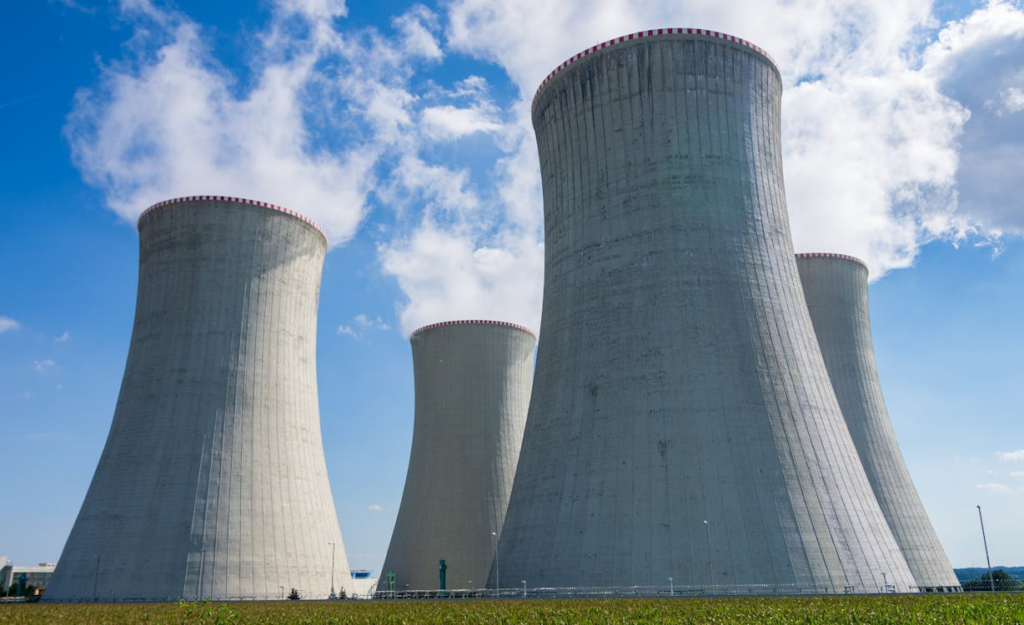
Security personnel assigned to critical infrastructure must balance vigilance, rapid response, and professional conduct. Armed security teams are trained to identify threats, enforce access controls, and respond decisively to incidents. Their presence ensures that unauthorized individuals are deterred and that emergency situations are managed effectively.
Beyond physical protection, armed security officers act as a first line of communication with law enforcement, emergency services, and facility management. This coordination enhances situational awareness and ensures a swift, organized response to potential hazards.
Threats and Vulnerabilities
Critical infrastructure faces a variety of risks, ranging from vandalism and theft to cyber-physical attacks and terrorism. While technological safeguards like surveillance cameras, intrusion alarms, and access control systems are essential, they are not sufficient on their own. Armed security personnel provide a human element capable of interpreting complex situations, assessing threats, and taking immediate action to prevent harm.
Visible security presence increases the perceived risk for potential intruders and reduces the likelihood of attempted breaches. The knowledge that trained personnel are actively monitoring and protecting the site is a powerful deterrent.
Training and Preparedness
Effective armed security for critical infrastructure relies on specialized training. Personnel must be proficient in threat assessment, emergency response protocols, use-of-force guidelines, and de-escalation techniques. Training also includes familiarization with the facility layout, operational processes, and coordination procedures with local law enforcement.
Ongoing drills and scenario-based exercises ensure that armed security teams remain prepared for evolving threats. By combining vigilance with technical knowledge, security personnel can protect critical systems while minimizing disruption to operations.
The Broader Impact of Security
The presence of armed security not only safeguards the facility but also contributes to public confidence in essential services. Reliable protection of critical infrastructure reassures employees, residents, and businesses that vital systems are resilient and well-guarded. This trust is particularly important during emergencies when public reliance on utilities, transportation, and communication networks is heightened.
Conclusion
Protecting critical infrastructure requires more than technology alone. Armed security provides a combination of deterrence, rapid response, and professional oversight that ensures essential systems remain operational and secure. Organizations investing in trained, visible security personnel enhance both safety and public confidence. By prioritizing human expertise alongside technological safeguards, critical infrastructure can remain resilient against both physical and emerging threats.
Secure Your Critical Infrastructure with Operational Police Protective Service
Protect essential facilities with professional armed security and off-duty police in Maryland, Virginia, and Delaware. Partner with Operational Police Protective Service today to safeguard your operations effectively. Act now to protect your core.




Leave A Comment
You must be logged in to post a comment.