

In modern protective services, armed security professionals must navigate complex situations where the stakes are high and outcomes matter. The effectiveness of security personnel is determined not only by their equipment but by the training and judgment they bring to every scenario. Understanding the balance between the use of force and de-escalation is essential to maintaining safety while minimizing risk to both personnel and the public.
The Principles of Use of Force
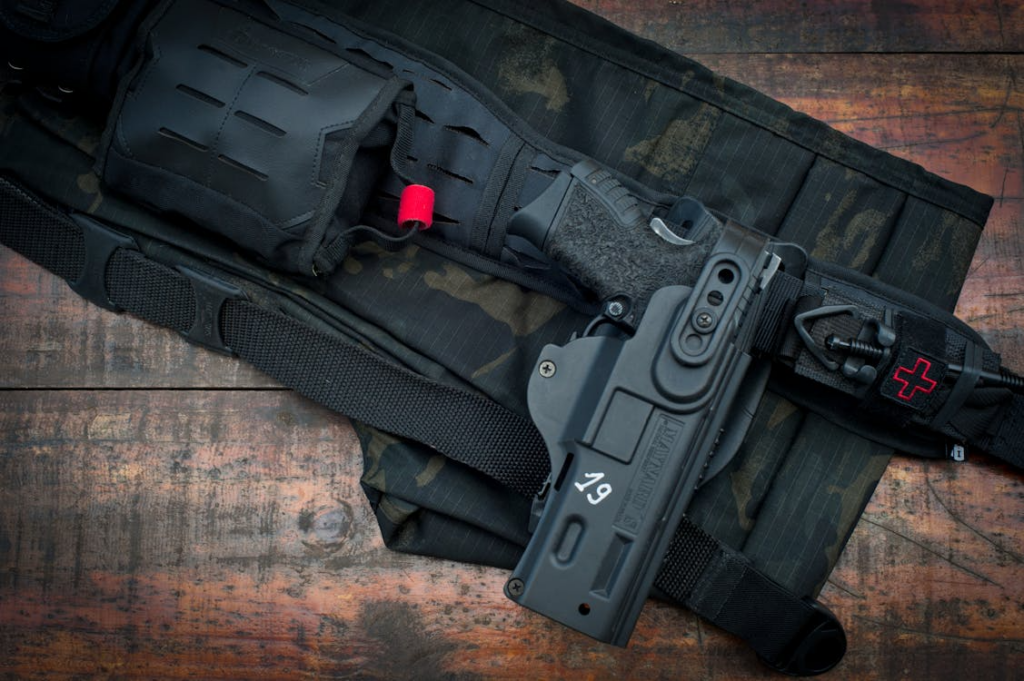
Use of force refers to the legal and tactical authority to apply physical measures to protect oneself or others. For armed security personnel, this can include restraint techniques, defensive maneuvers, and, in critical situations, the deployment of weapons. Comprehensive training ensures that these actions are measured, appropriate, and aligned with both legal standards and organizational policies.
Security professionals learn to assess threats quickly, determine the level of force necessary, and respond proportionally. Proper training reduces unnecessary escalation and helps prevent legal or ethical violations. It also fosters confidence, allowing armed security personnel to make rational decisions under pressure.
De-escalation: Preventing Conflict Before It Escalates
While the use of force is a critical skill, effective armed security training prioritizes de-escalation whenever possible. De-escalation techniques focus on communication, situational awareness, and behavioral observation to calm tense interactions before they become physical.
Verbal strategies, body language, and strategic positioning are all part of the toolkit. By recognizing early warning signs and addressing concerns proactively, security personnel can prevent incidents from escalating, reducing the need for physical intervention. This approach protects both the individuals involved and the integrity of the property or organization being secured.
Integrating Use of Force and De-escalation in Training
Modern armed security programs combine both approaches, ensuring personnel are equipped to respond to any situation safely and professionally. Scenario-based training exercises simulate real-world events, providing a controlled environment for practicing judgment, communication, and tactical response.
This dual approach emphasizes that force is a last resort while highlighting the importance of preparation, quick thinking, and adaptability. The most effective security professionals are those who can transition seamlessly between verbal de-escalation and appropriate defensive action when circumstances require it.
The Impact on Safety and Public Trust
Organizations that invest in comprehensive training for armed security personnel see measurable benefits in both safety outcomes and community perception. Properly trained security staff not only protect assets and people but also build trust with employees, customers, and the public. A focus on de-escalation enhances this trust while maintaining readiness for situations that require decisive action.
Conclusion
The training behind the weapon is as important as the weapon itself. For armed security, mastering both the use of force and de-escalation techniques ensures that professionals can protect effectively, responsibly, and ethically. Through balanced training, organizations can create safer environments while fostering public confidence.
Enhance Safety with Operational Police Protective Service
Protect your property with professional armed security and trusted off duty police in Maryland, Virginia, and Delaware. Partner with Operational Police Protective Service today to safeguard your organization effectively. Act now to secure your site.c





Leave A Comment
You must be logged in to post a comment.